Hip dislocation occurs when the femoral head becomes dislodged from the socket. Anterior hip replacement risks.
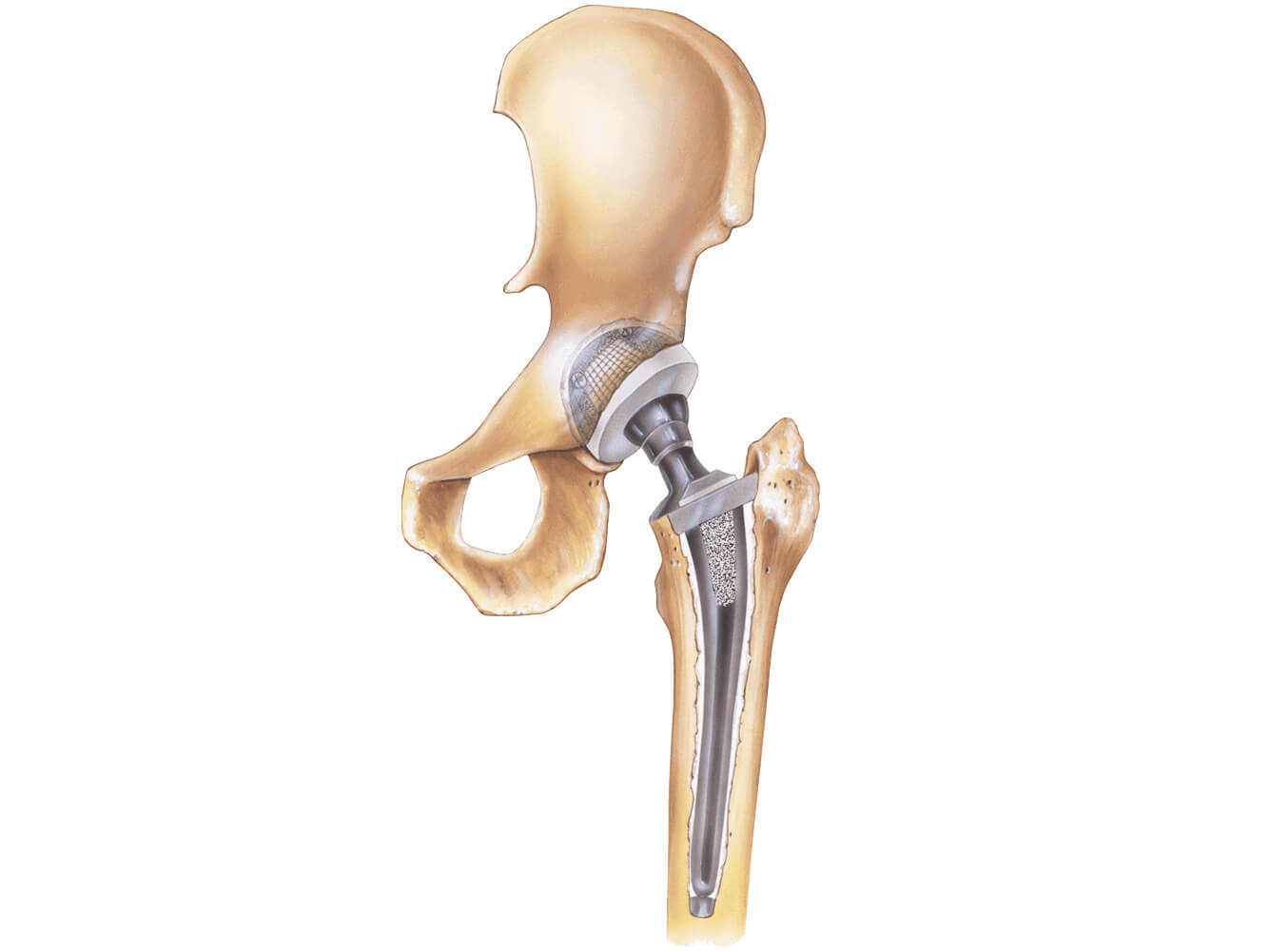
Hip Replacement Complications Risk Of Infection Dislocation
This should include discussing all the pros and cons with your orthopaedic surgeon.
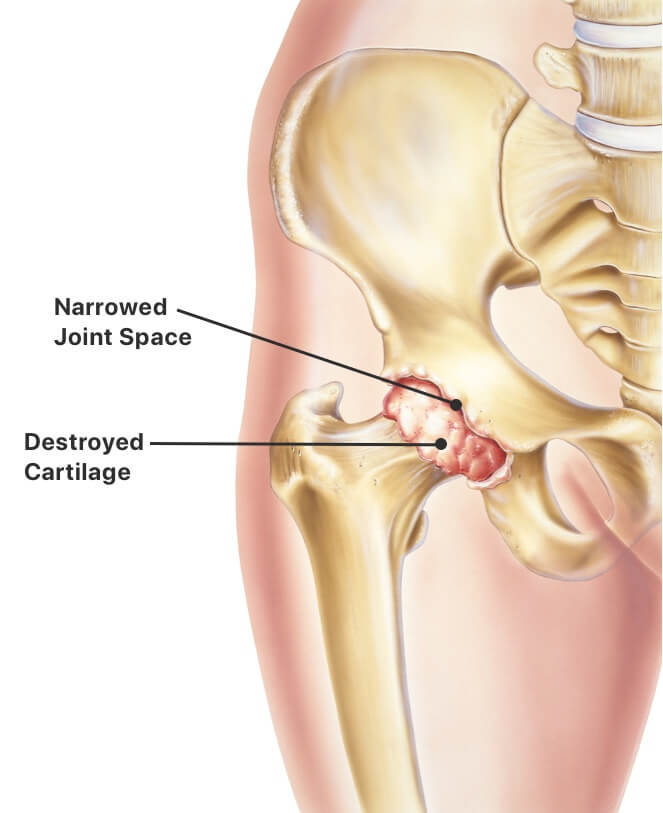
Hip replacement complications. The occurrence of these complications prolongs the recovery period and may cause problems for the patient. This blood can be used for transfusion if needed autologous transfusion. A hip replacement is a major operation so its important to do your research and make sure youre fully informed before going ahead.
Physical therapy is an essential part of rehabilitation after a total hip replacement. Risks and complications of hip replacement surgery. Every surgery has certain risks and complications related to it.
The most common long term complication is loosening of the components. Complications and risks of total hip replacement surgery have been identified. Youll also receive detailed information in a follow-up.
Change in leg length. However the complications of Hip Replacement Surgery is very minimal as compared to the open surgery. Misalignment can lead to loosening undue wear pain and post-op hip dislocation.
Hot reddened hard or painful areas in your leg in the first few weeks after your operation. The risks of anterior hip replacement are the same as other hip replacement approaches. Complications of general anesthesia such as postoperative delirium and.
Dislocation is a potential complication of hip replacement surgery. Risks and complications in hip replacement are similar to those associated with all joint replacements. However like any other surgical procedure hip replacement surgery may be accompanied by complications.
Most of post hip replacement dislocations occur as a result of a fall or trauma that causes the hip joint to be internally rotated and flexed like being curled up in the fetal position. However although there are generally many benefits to suffering patients from hip replacement surgery - as with any invasive procedure there are risks and the possibility for complications. Another of the more common problems with hip replacement surgeries result from misalignment of the implants specifically the angle of the cup.
Most people who have a hip replacement do not have serious complications. The following conditions are the most common complications resulting from hip replacement surgeries. They can include infection dislocation limb length inequality loosening impingement osteolysis metal sensitivity nerve palsy chronic pain and death.
Physicians and clinicians believe hip replacement surgery is one of the most cost-effective ways to improve the quality of life in suffering patients. This is when local inflammation destroys the bone and loosens a prosthetic device AKA aseptic loosening which can ultimately result in dislocation after hip replacement surgery. Deep vein thrombosis is a common complication following total hip replacements due to the venous stasis and hypercoagulability experienced both during and subsequent to the procedure adversely influencing Virchows triad towards a state of thrombus formation 11.
Weight loss surgery before a hip replacement does not appear to change outcomes. After having a hip replacement contact your doctor if you get. In addition to that Hip Replacement Surgery can also involve a lot of blood loss.
Most cases of this surgery are performed without any complications giving the chance to the patient to begin a new and painless life. Preoperative banking of the blood of patients planning total hip replacement is considered when possible. People who have received metal-on-metal hips may also experience metallosis a form of metal poisoning that causes tissue damage and other serious conditions.
Before your surgery Mr Nirav Shah will go through all the major complications associated with hip replacements. Loosening of the hip joint prostheses. Hip Replacement Complications Hip replacement complications include blood clots change in leg length dislocation fractures infection and loosening of the implant.
This complication is becoming less common as the design and materials used in hip prostheses continue to improve. Complications after a total hip replacement arent common but they can happen. According to the AAOS fewer than 2 percent of patients have a serious complication such as a joint infection.
The particles stimulate cellular activity by activating macrophage cells. This may in part be caused by a biological reaction to microscopic particulate debris released from bone cement polyethylene plastic and metal.